History: it all started in the EP era...
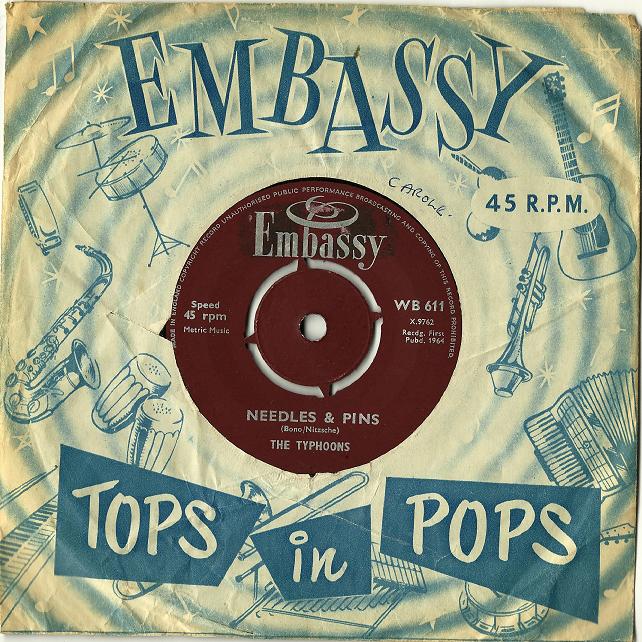
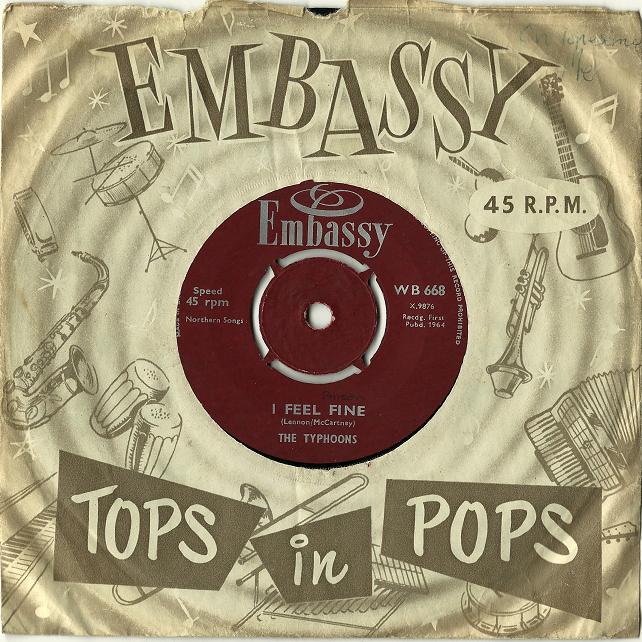
It's difficult to find a precise starting point for the budget covers format. The albums we are dealing with here stuttered into life in the mid-to-late 1960s, but one can go back some years before that to find a range of earlier imitation records, from mail-order-only 10-inch discs to 78s on the Embassy label. In fact, so far as the UK is concerned, Embassy is germinal, issuing many hundreds of records from the mid-1950s to the mid-1960s, offering cheap versions of chart material. They did not adopt a policy of keeping the session staff anonymous however, giving full credit to their own (quite genuine) roster of performing acts on each record.
|
|
Other labels followed Embassy's lead, such as the Society label, with their half-a-dozen Top Pop Club albums, which featured real acts (including Matt Monro) imitating chart hits. There were others on the scene too, offering mail order 78s, such as the Top Hits of the Month Record Club.
But really, to find the roots of the covers LP, we need to look at the UK EP format, which truly ushers in the genre. There are many record labels which dabbled in the cover version EP from 1961 onwards. For details of these, we cannot recommend highly enough, the website Bargain Records, the blog Forgotten Vinyl (which includes sound clips), and for hi-res label scans, 45cat.com. Here is not the place to fully examine all these precursor EPs, but a general overview is warranted, and we look at the labels in order of appearance, below.
Cannon - Crossbow - Rocket
Apr 1961 - Sep 1964 (approx 56 releases known)
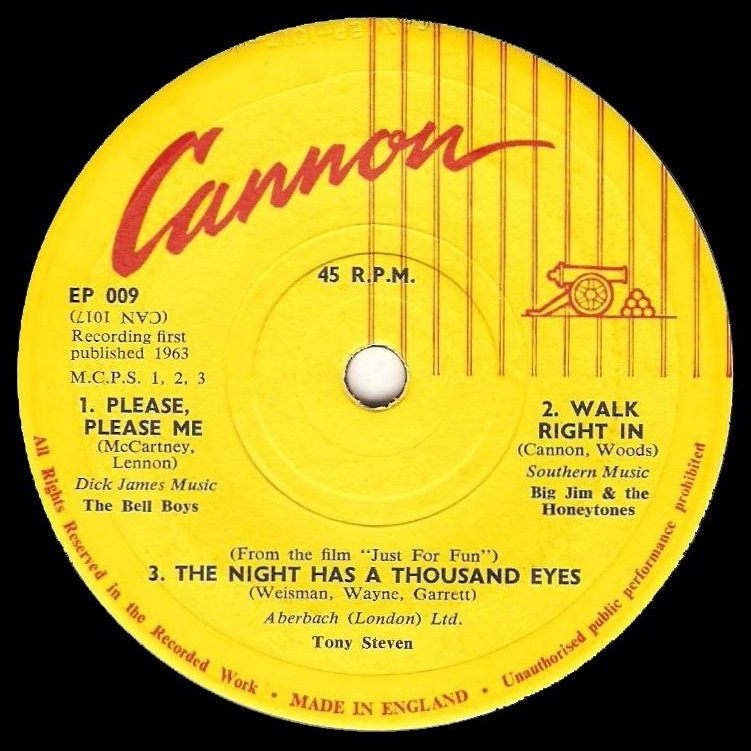
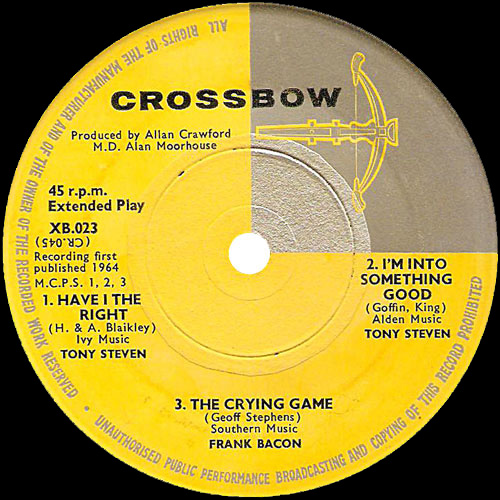
The first EPs we would identify are the Cannon label series, which began in April 1961. Cannon would go on to release more than two dozen 6-track EPs of current chart hits, all covered anonymously. Cannon also ran parallel releases on the Crossbow and Rocket labels, accounting for between 50 and 60 EPs between them, although the labels would usually carry the same recordings. Significantly, in 1963 Allan Crawford's name would start appearing on the labels as producer; Crawford would later create the "Top of the Pops" LP series, making him arguably the most important figure in the cover version field.
Cannon (early)
|
Crossbow
|
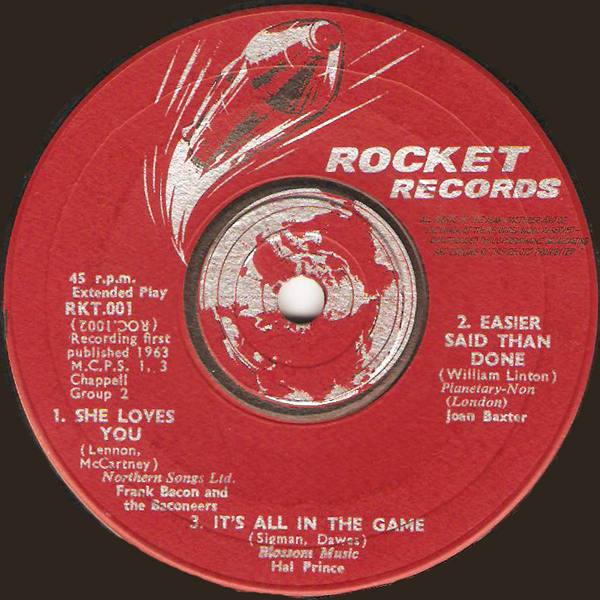
Rocket
|
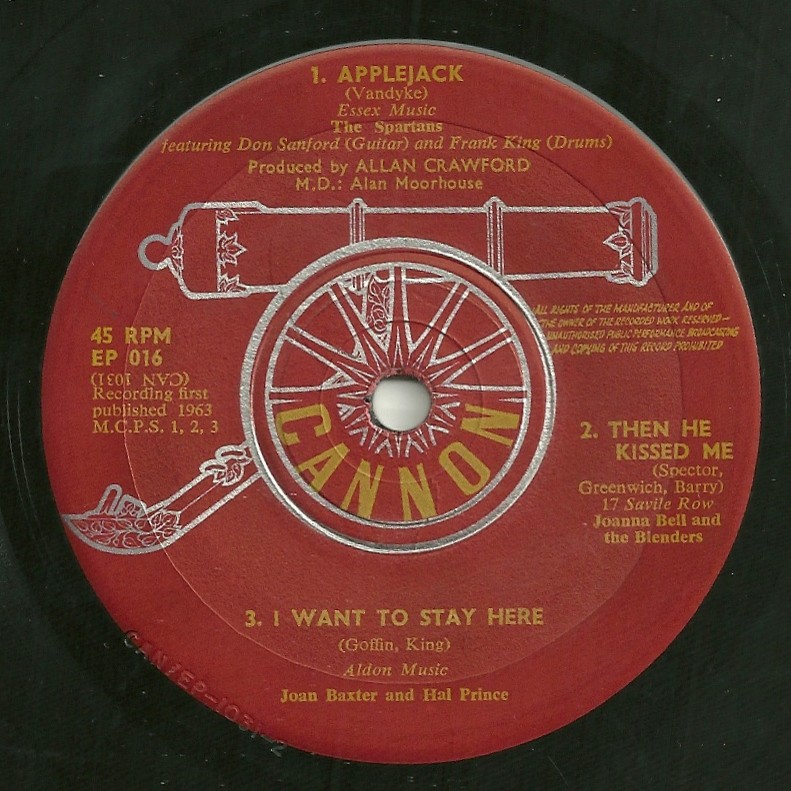
Cannon (later)
|
Concert Hall
1962 - 1963 (number of releases not known)
The Concert Hall label is known to have branched into cover version records as early as 1962. (Its usual releases were of classical music.) It is notable for the fact that besides some EPs, it also issued at least two albums, the earliest such LPs known to us. The EPs seem to have been hosted by the Pop Parade imprint, but have Concert Hall logos on the covers.
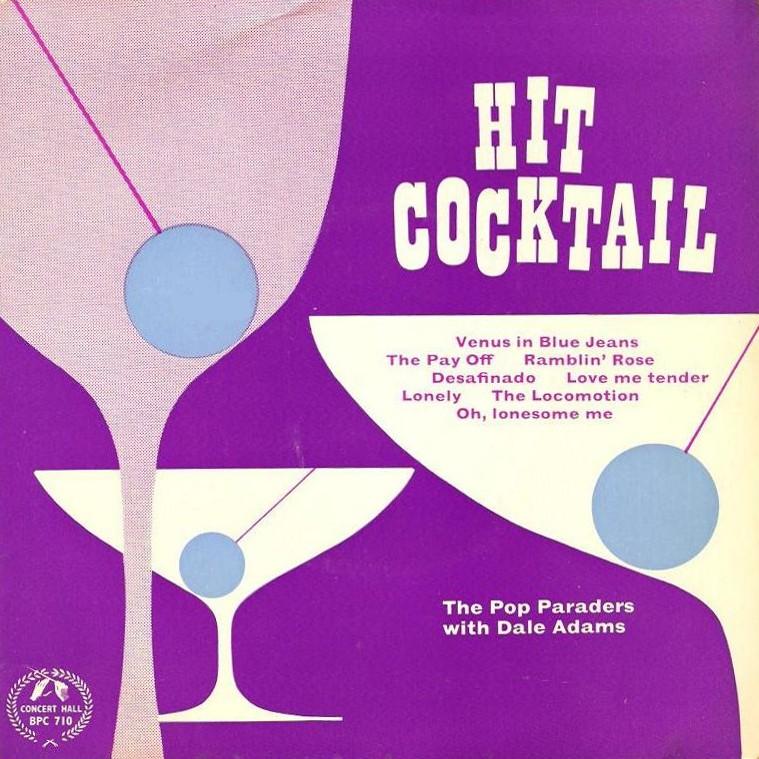
EP, 1962
|
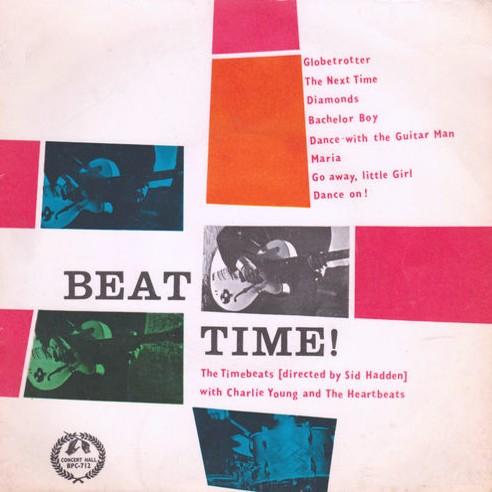
EP, 1963
|
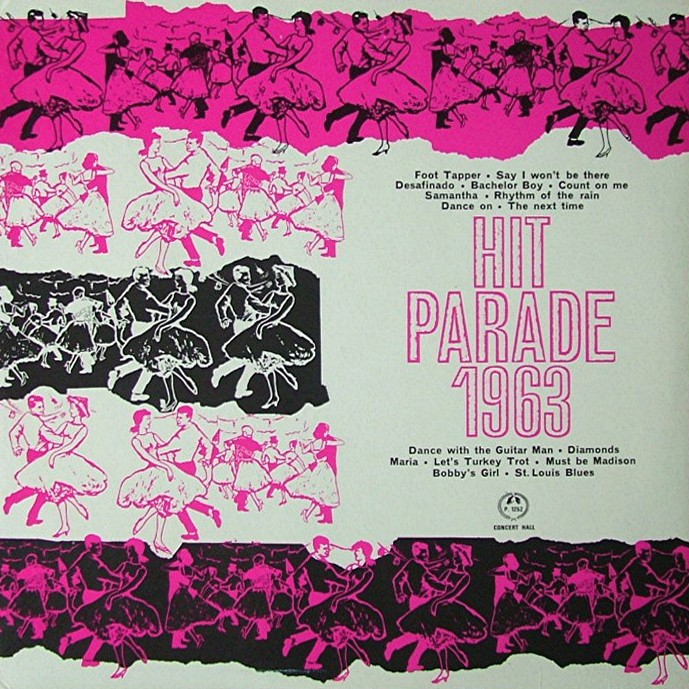
LP, 1963
|
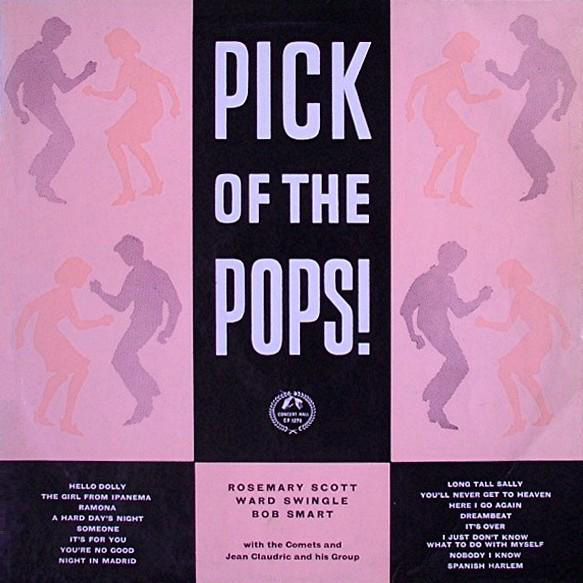
LP, 1964
|
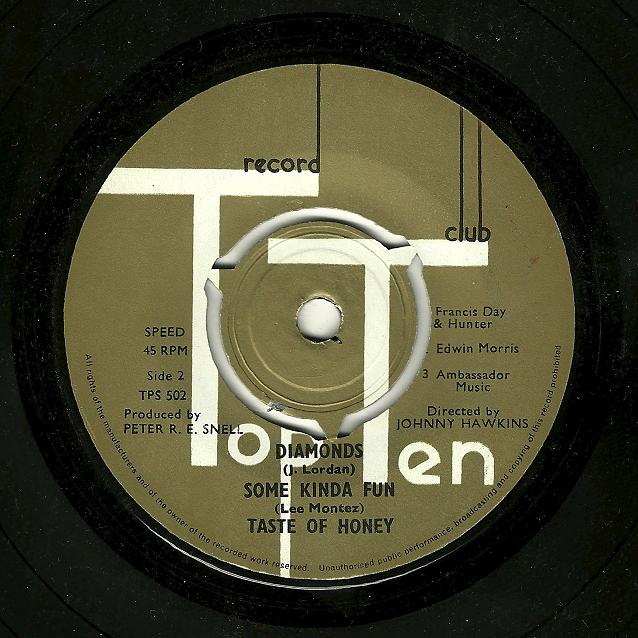
The Top Ten Record Club
|
Nov 1962 - Mar 1964 (10 releases known)
This shortish run of EPs started up in late-1962. The label managed to place four of their ten EPs in the official UK EP chart. The last two in the series came in picture sleeves and were billed as "Peter Sterling's Record Club". (Peter Sterling might be future top session man Peter Lee Stirling - despite his surname being spelled differently.) |
|
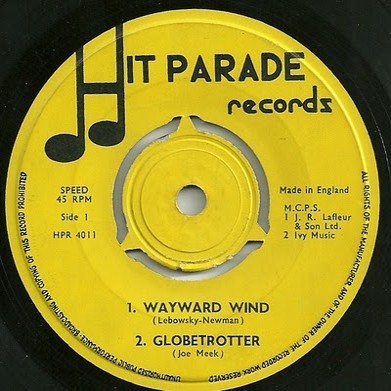
Hit Parade
|
Jan 1963 - Feb 1964 (7 releases known)
Another rather short series, Hit Parade covers much the same timeframe as the Top Ten Record Club. Their seven EPs each contain four songs, but in addition, at least three appeared in 6-track editions in parallel to the standard 4-track EPs. |
|
Top 4 - Top 6 - Top Six
Feb 1963 - Jul 1967 (approx 55 releases known)
These EPs are arguably the most important of the lot, and have a unique place in the story of the cover version LP. They were the creation of Bill Wellings, who launched both Top 4 and Top 6 in 1963, the former containing four songs each, the latter an additional two. Top 4 was short-lived, but Top 6 saw out 1963, whereupon Pye became the series distributor, and re-named it Top Six (ie, with "six" written out in letters). From here, the series would flourish, seeing four off-shoot LPs issued as the first regular 12-inch series in the UK (see page on this website). Wellings left the fold at the start of 1967, and the EP series continued for a short while by borrowing tracks from Wellings' mfp "Hits" albums! However it came to an end soon thereafter.
Feb 1963 - Jul 1967 (approx 55 releases known)
These EPs are arguably the most important of the lot, and have a unique place in the story of the cover version LP. They were the creation of Bill Wellings, who launched both Top 4 and Top 6 in 1963, the former containing four songs each, the latter an additional two. Top 4 was short-lived, but Top 6 saw out 1963, whereupon Pye became the series distributor, and re-named it Top Six (ie, with "six" written out in letters). From here, the series would flourish, seeing four off-shoot LPs issued as the first regular 12-inch series in the UK (see page on this website). Wellings left the fold at the start of 1967, and the EP series continued for a short while by borrowing tracks from Wellings' mfp "Hits" albums! However it came to an end soon thereafter.
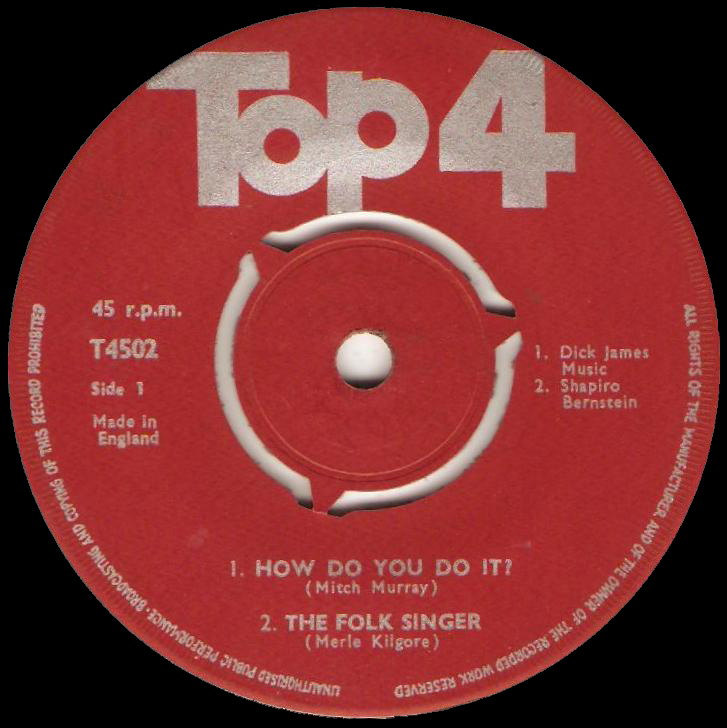
Top 4
|
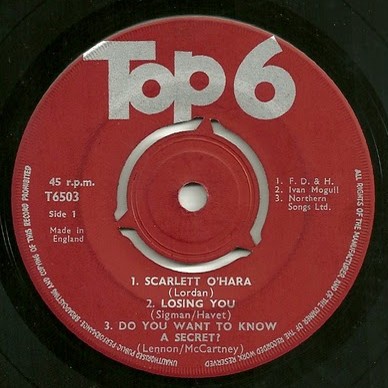
Top 6
|
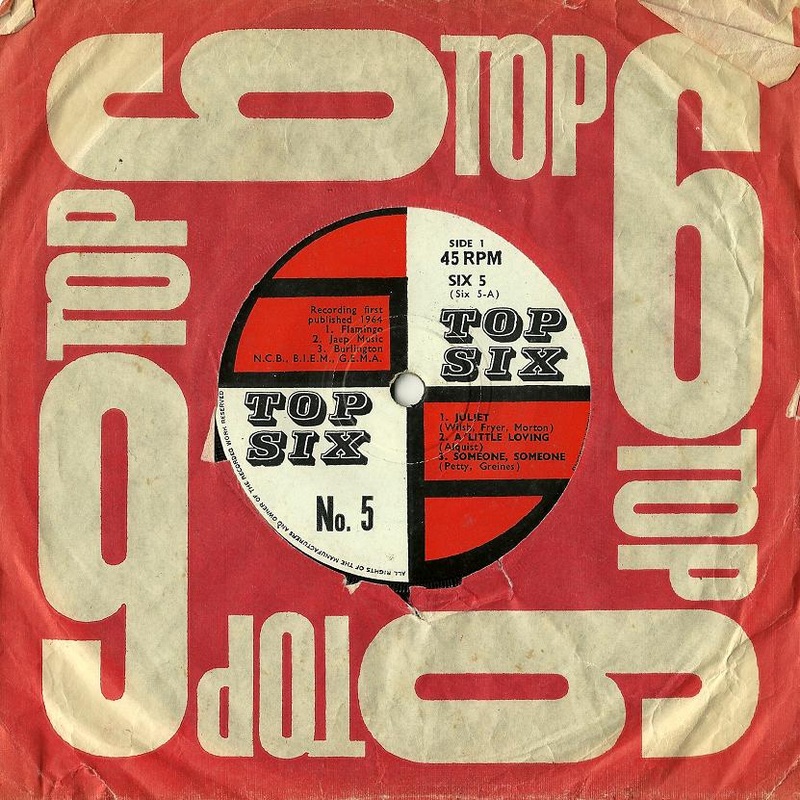
Top Six
|
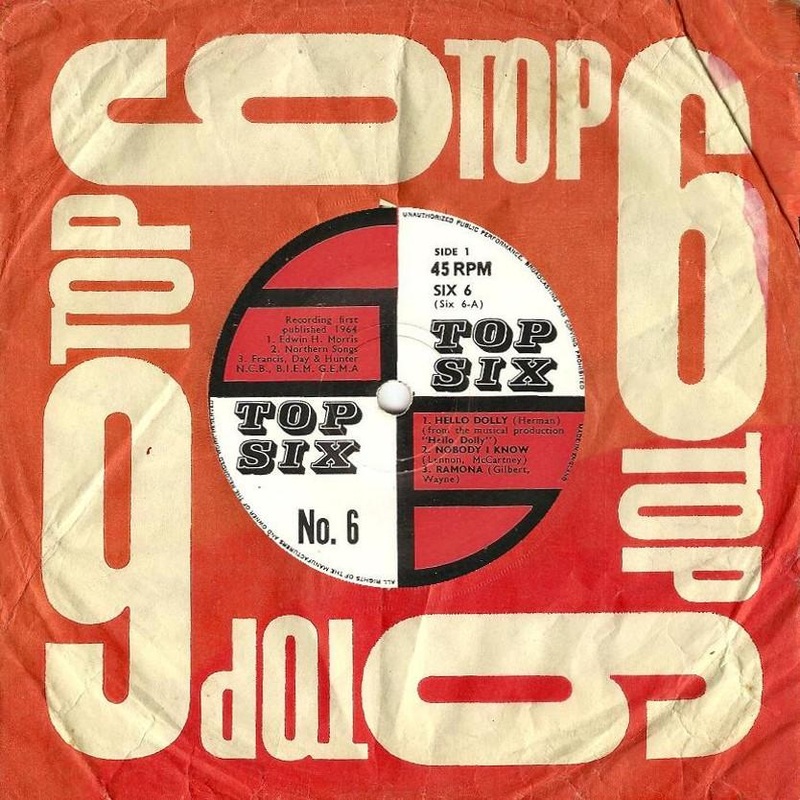
Top Six
|
Top Pops
|
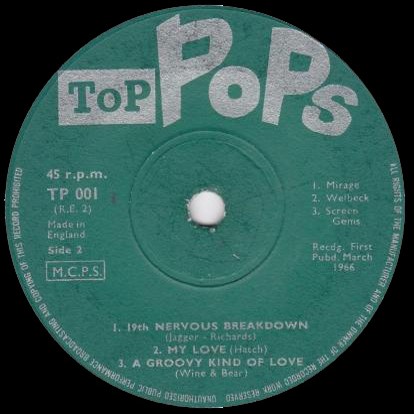
Nov 1963 (1 release known) and Jan 1966 - Mar 1966 (2 further releases known)
There might well be more to the story of these EPs than we currently know. We have just one on record, from November 1963, but two more have been identified from the start of 1966. The catalogue numbers are of a different format however and it is not known if there is any continuity between these releases. |
|
Six Hit
|
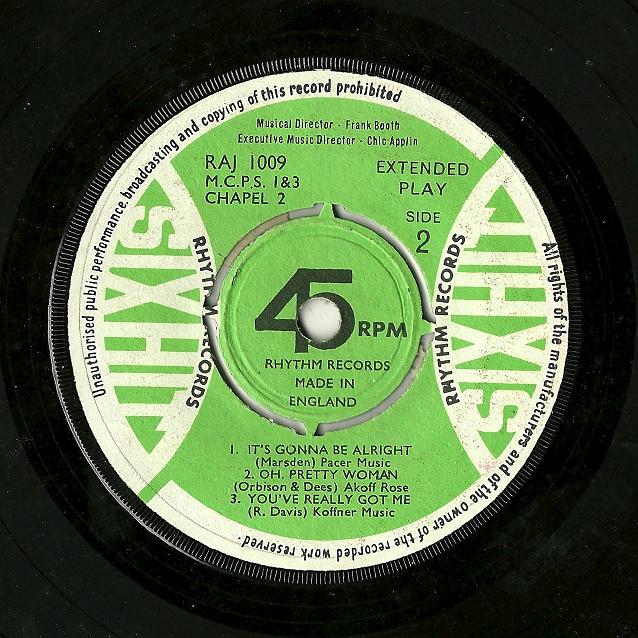
Dec 1963 - Apr 1965 (15 releases known)
The Six Hit series extended over nearly a year and a half, seeing at least 15 EPs issued. Executive producer Chic Applin was behind the series, and on the first EP, billed the performers as the Chic Applin Trio. (From EP 2 onwards, they would be anonymous.) |
|
Top Pops (Summit)
|
Dec 1964 - Jul 1965 (8 releases known)
Not to be confused with the earlier Top Pops series (see above), these EPs were issued on the Summit label and came housed in full colour picture sleeves. Each sleeve had a photo and biography of a famous recording act on the back. |

|
In 1967, the LP format launched proper, courtesy of Bill Wellings and mfp. Thereafter, the EP format becomes subordinate to the LP. However there are a few series of note which came into being during 1967:
Avenue / Disc-A-Fran EPs
April 1967 onwards
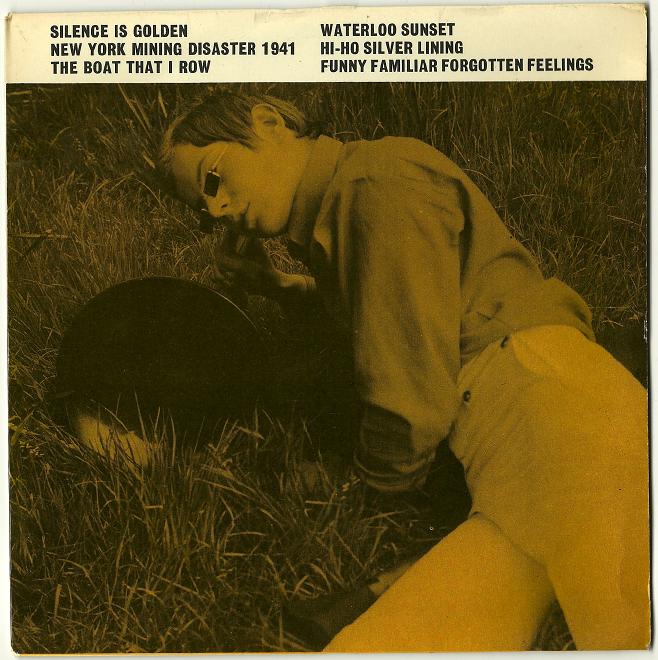
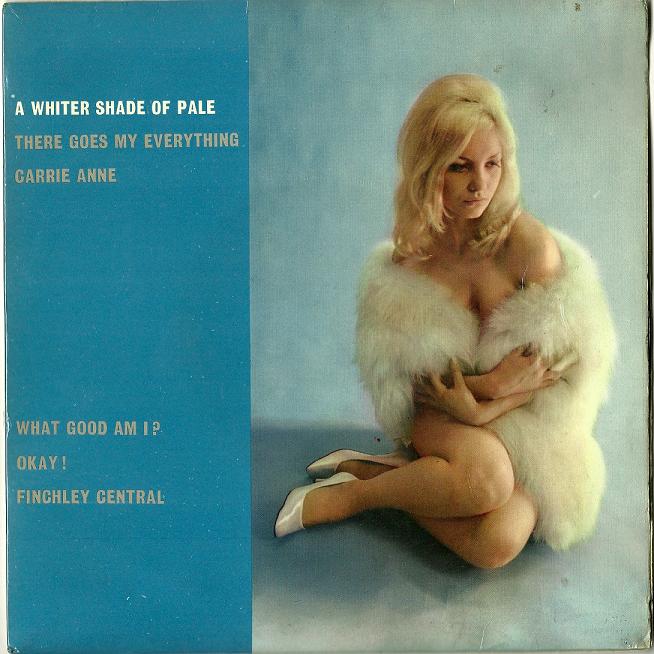
The team behind the Avenue EPs had previously worked on the Top Six EPs, but departed at the beginning of 1967 (as, in fact, had Bill Wellings). Avenue was launched as an EP-only imprint and would issue some 19 EPs and a few more side-releases, before they too branched into the album market (initially on their Studio 33 label). Once they started working on full albums, their EPs become, in effect, LP off-shoots, and a such, are detailed elsewhere on this site. The Avenue EPs started up with catalogue number 39 - a direct follow-on from the Top Six number sequence. Some of these were issued on the Disk-A-Fran label by arrangement. There were also a couple more marked "Take 6".
EP 2 (AVE 40)
|
EP 3 (AVE 41)
|
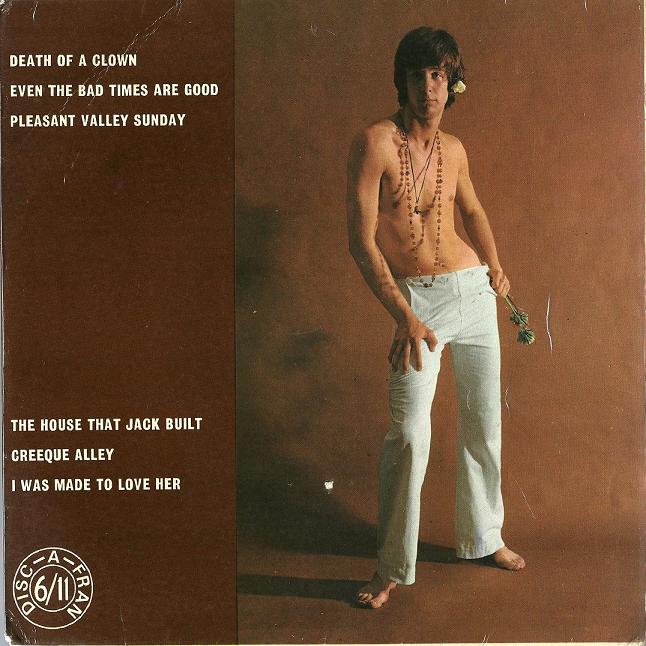
EP 5 (AVE 43)
|
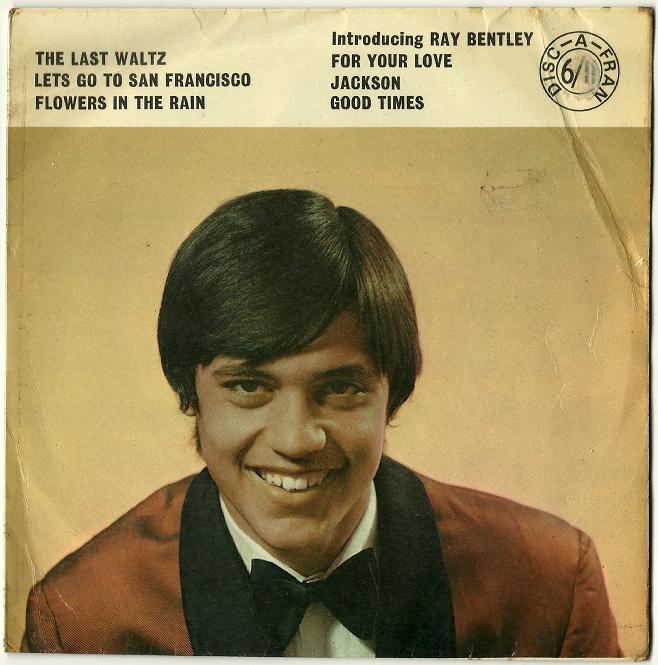
EP 6 (AVE 44)
|
Flair and Zel
There are two more short-lived series which were independent of any album releases. They were issued respectively on the Flair label (six EPs, Dec 1967 - Oct 1968) and the Zel label (three EPs, Dec 1967 - Apr 1968).
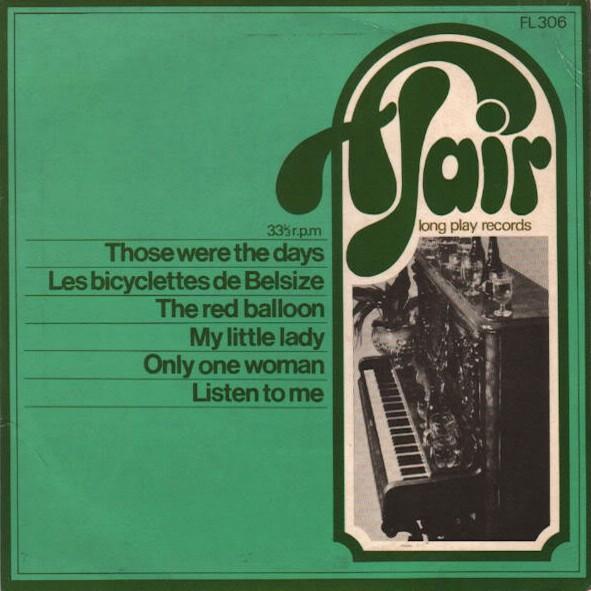
Flair EP
|
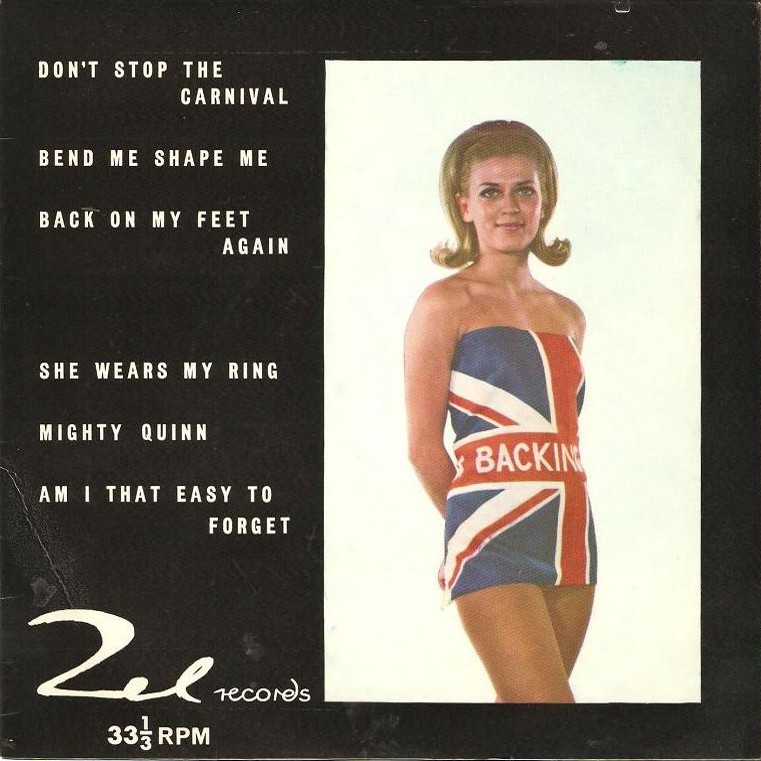
Zel EP
|
Of course there would be several later EP series containing chart hit cover versions, which from here on were related to specific parent LPs, and which are therefore detailed in that context, on this site. The LP is where we now focus our attention. The format started embryonically in 1963 but only established itself properly in 1967. Below is a timeline of significant events in the LP story:
Timeline for the LP format
1963: The classical Concert Hall label issues the first of a very small number of cover version LPs, which do not constitute a regular series.
1964: Bill Wellings launches a budget covers LP series on the Top Six label. His "Top Twelve" LPs are the first of their kind, but stop appearing before the year is out. They are compiled from the label's EP series.
Sep 1964: A 10-inch album appears on the Top Ten Tunes label, containing versions of current chart hits.
1965: Marble Arch issue their first budget covers LP containing recent pop hits: “No.1s of 1965”. The LP is an annual review, rather than a current chart round-up, and is not followed up for two years.
Jan (?) 1967: Bill Wellings, the man behind the Top Six covers of the mid-1960s, releases a stand-alone LP of hit covers, "Top Ten Spectacular".
May 1967: MFP launch the first regular LP-only series, with the “Hits” albums, produced by Bill Wellings. Four tracks on the first instalment, "HIts '67", are taken from his recent stand-alone LP, "Top Ten Spectacular".
Apr 1968: Marble Arch commence their variously titled “Chartbusters” series.
Jun 1968: “Top of the Pops” is launched on the Hallmark label, thanks to Allan Crawford, who was previously involved with UK cover version EPs on the Cannon, Crossbow and Rocket labels. It will dominate the field for almost a decade and a half.
Jun 1970: MFP commences the “Hot Hits” series, replacing the outgoing “Hits” LPs. Covers and styling are clearly influenced by “Top of the Pops”.
Aug 1971: Budget LPs permitted into the full UK albums chart. “Hot Hits” volume 6 enters at number 1 on August 7.
Aug 21, 1971: “Top of the Pops” volume 18 tops the UK album chart.
Sep 1971: Pye take over the “Chartbusters” series from Marble Arch, starting with a controversial topless cover shot which brings complaints.
Nov 27, 1971: “Top of the Pops” volume 20 tops the UK album chart.
Jan 8, 1972: Budget albums barred from UK album chart. Their recent success has drawn attention to the genre, and several other prominent LP series will be launched soon after.
Feb 1972: “12 Tops” launched on the Stereo Gold Award label.
Feb 1972: “16 Chart Hits” launched on the Contour label.
Apr 1972: “Parade of Pops” launched, on the Windmill label.
Sep 1972: "Today's Smash Hits" launched, which would be the last series to emerge in the 1970s, without direct links to earlier series.
1972: A record number of covers album series are in production simultaneously (“Hot Hits”; “Pye Chartbusters”; “Top of the Pops”; “England’s Top 12”; “Parade of Pops”; “World Top 12”; “12 Tops”; “16 Chart Hits”; “Today’s Smash Hits”; “Hit Parade Special”; "Non Stop Hits"; "Hits From England's Top Twenty"). Many of these series tend to share recordings with some of the others.
Aug 1973: Last “Hot Hits” album (volume 20) is released.
1974-1976: Virtually all major series fold, leaving just “Top of the Pops” in production, without a competitor.
1978: “Parade of Pops” is revived on the Chevron label. Initial volumes are issued on cassette only.
Dec 1978: “Top of the Pops” ceases being recorded by in-house crew, instead leasing in tracks from the company behind the “Parade of Pops” albums. Consequently, both series share a substantial number of the same recordings from here on.
Apr 1982: Both “Top of the Pops” and “Parade of Pops” fold, leaving no covers album series in production for the first time in 15 years.
Apr 1984: The first new series in three years is launched by Chevron. "This Is Music" acts as a successor to "Parade of Pops" and will see five releases during the year.
1984: “Top of the Pops” attempts a revival, possibly inspired by "This Is Music". Only two LPs appear however, the last in Mar 1985.
Jan 1986: Launch of the last covers series, the “Chart Busters” LPs on the Here & Now label. Series runs to five volumes.
Summer 1986: Chevron release their last covers albums.
Jun 1987: "Chart Busters" folds, finally bringing the curtain down on this album concept.
1964: Bill Wellings launches a budget covers LP series on the Top Six label. His "Top Twelve" LPs are the first of their kind, but stop appearing before the year is out. They are compiled from the label's EP series.
Sep 1964: A 10-inch album appears on the Top Ten Tunes label, containing versions of current chart hits.
1965: Marble Arch issue their first budget covers LP containing recent pop hits: “No.1s of 1965”. The LP is an annual review, rather than a current chart round-up, and is not followed up for two years.
Jan (?) 1967: Bill Wellings, the man behind the Top Six covers of the mid-1960s, releases a stand-alone LP of hit covers, "Top Ten Spectacular".
May 1967: MFP launch the first regular LP-only series, with the “Hits” albums, produced by Bill Wellings. Four tracks on the first instalment, "HIts '67", are taken from his recent stand-alone LP, "Top Ten Spectacular".
Apr 1968: Marble Arch commence their variously titled “Chartbusters” series.
Jun 1968: “Top of the Pops” is launched on the Hallmark label, thanks to Allan Crawford, who was previously involved with UK cover version EPs on the Cannon, Crossbow and Rocket labels. It will dominate the field for almost a decade and a half.
Jun 1970: MFP commences the “Hot Hits” series, replacing the outgoing “Hits” LPs. Covers and styling are clearly influenced by “Top of the Pops”.
Aug 1971: Budget LPs permitted into the full UK albums chart. “Hot Hits” volume 6 enters at number 1 on August 7.
Aug 21, 1971: “Top of the Pops” volume 18 tops the UK album chart.
Sep 1971: Pye take over the “Chartbusters” series from Marble Arch, starting with a controversial topless cover shot which brings complaints.
Nov 27, 1971: “Top of the Pops” volume 20 tops the UK album chart.
Jan 8, 1972: Budget albums barred from UK album chart. Their recent success has drawn attention to the genre, and several other prominent LP series will be launched soon after.
Feb 1972: “12 Tops” launched on the Stereo Gold Award label.
Feb 1972: “16 Chart Hits” launched on the Contour label.
Apr 1972: “Parade of Pops” launched, on the Windmill label.
Sep 1972: "Today's Smash Hits" launched, which would be the last series to emerge in the 1970s, without direct links to earlier series.
1972: A record number of covers album series are in production simultaneously (“Hot Hits”; “Pye Chartbusters”; “Top of the Pops”; “England’s Top 12”; “Parade of Pops”; “World Top 12”; “12 Tops”; “16 Chart Hits”; “Today’s Smash Hits”; “Hit Parade Special”; "Non Stop Hits"; "Hits From England's Top Twenty"). Many of these series tend to share recordings with some of the others.
Aug 1973: Last “Hot Hits” album (volume 20) is released.
1974-1976: Virtually all major series fold, leaving just “Top of the Pops” in production, without a competitor.
1978: “Parade of Pops” is revived on the Chevron label. Initial volumes are issued on cassette only.
Dec 1978: “Top of the Pops” ceases being recorded by in-house crew, instead leasing in tracks from the company behind the “Parade of Pops” albums. Consequently, both series share a substantial number of the same recordings from here on.
Apr 1982: Both “Top of the Pops” and “Parade of Pops” fold, leaving no covers album series in production for the first time in 15 years.
Apr 1984: The first new series in three years is launched by Chevron. "This Is Music" acts as a successor to "Parade of Pops" and will see five releases during the year.
1984: “Top of the Pops” attempts a revival, possibly inspired by "This Is Music". Only two LPs appear however, the last in Mar 1985.
Jan 1986: Launch of the last covers series, the “Chart Busters” LPs on the Here & Now label. Series runs to five volumes.
Summer 1986: Chevron release their last covers albums.
Jun 1987: "Chart Busters" folds, finally bringing the curtain down on this album concept.